
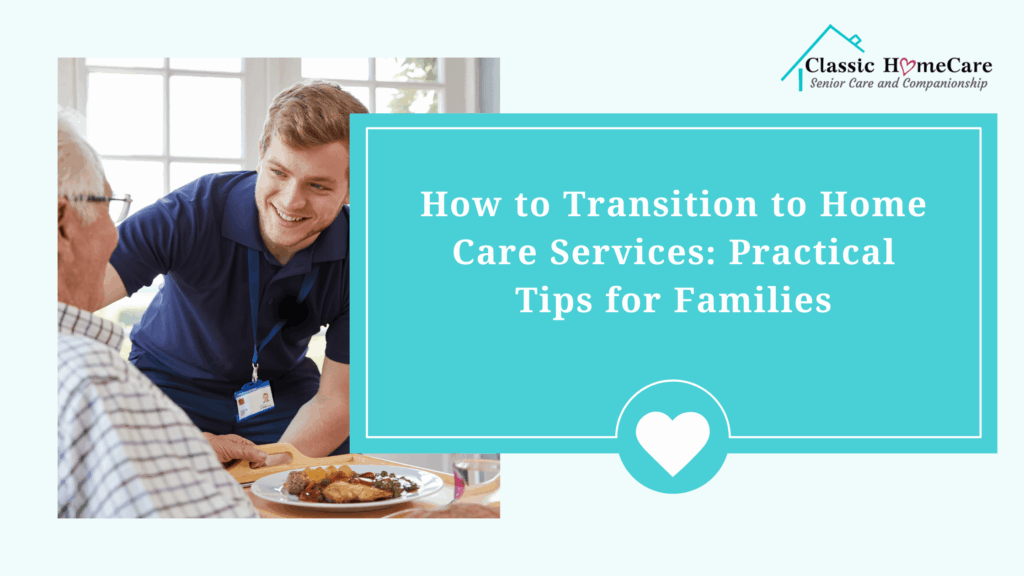
Families rarely arrive at home care decisions overnight. The transition often begins with small changes in routine, safety, or health that gradually signal the need for extra support. This guide connects every stage of that journey, helping families move from early awareness to confident action with clear, local, and service-focused guidance.
H2: When Daily Routines Start Signaling the Need for Support
Small shifts in everyday life often mark the beginning of a larger care conversation. Recognizing these early signs allows families to respond thoughtfully instead of waiting for a crisis. Home care services provide structured, non-medical support within the home, allowing individuals to remain in familiar surroundings while receiving reliable assistance.
- Home-based support: Care is delivered at home, helping individuals maintain routines, comfort, and familiarity
- Adaptable care structure: Services can increase or change as physical or cognitive needs evolve over time
- Shared caregiving responsibility: Families stay involved while trained caregivers handle daily support tasks
These early indicators naturally lead families to explore what types of services are available.
H2: How Home Care Services Support Everyday Living
Once the need for help becomes clear, understanding what home care services actually include helps families make informed decisions. These services are designed to support both safety and daily structure.
Home care focuses on practical assistance that fits seamlessly into existing household routines.
- Home care services: Ongoing support with daily activities that reduces caregiver strain and improves consistency
- Personal care services: Assistance with bathing, grooming, dressing, and mobility to promote safety and comfort
- Companionship: Regular interaction and supervision that supports emotional well-being and engagement
- Memory care: Structured assistance for individuals experiencing memory or cognitive challenges
- Meal preparation: Help with planning and preparing meals that meet dietary needs and preferences
- Medication reminders: Timely prompts that support accurate and consistent medication routines
Families can explore locally available options through home care services provided by Classic Home Care, serving Broward County, Brevard County, and surrounding Florida communities.
H2: Why Timing Shapes the Entire Home Care Experience
The point at which families begin planning often determines how smooth the transition feels. Early action allows decisions to be guided by clarity rather than urgency.
Planning ahead gives families greater control over how care is introduced and managed.
- Smoother care start: Services begin without rushed decisions or service gaps
- Better coordination: Families have time to align schedules, expectations, and responsibilities
- Reduced emotional stress: Decisions are made calmly instead of during emergencies
Even with planning, families often face challenges that require thoughtful navigation.
H2: Common Roadblocks Families Encounter During the Transition
As families move closer to starting home care services, questions and concerns often surface. These roadblocks are common and manageable with the right approach.
Many families across Florida experience similar concerns at this stage.
- Unclear care levels: Difficulty determining how much assistance is truly needed
- Cost uncertainty: Questions about affordability, service hours, and long-term planning
- Emotional resistance: Hesitation from the individual receiving care due to fear of change
- Provider selection challenges: Uncertainty about choosing a reliable local home care agency
Understanding these challenges highlights the value of a clear, step-by-step process.
H2: A Practical Path to Starting Home Care Services
A structured approach transforms uncertainty into confident action. Each step builds logically on the previous one, keeping families grounded throughout the transition.
Step One: Identify Daily Support Gaps
The process begins by observing where routines are becoming difficult or unsafe.
- Routine challenges: Difficulty with bathing, dressing, or meal preparation that affects daily comfort
- Safety concerns: Increased fall risk, missed medications, or confusion during regular tasks
- Supervision needs: Situations where memory loss creates concern for independent living
This clarity shapes all future care decisions.
Step Two: Create Alignment Within the Family
Shared understanding prevents confusion later in the process.
- Unified care goals: Agreement on what care should support now and in the future
- Respect for preferences: Inclusion of the care recipient’s routines and comfort levels
Alignment helps families move confidently toward provider selection.
Step Three: Focus on Local Home Care Providers
Local presence plays a major role in care reliability and responsiveness.
- Service availability: Coverage in Hollywood FL, Merritt Island FL, and nearby cities
- Service range: Access to personal care, companionship, and memory care services
- County familiarity: Experience working within Broward County and Brevard County
Local focus ensures services match real-world needs.
Step Four: Turn Needs Into a Clear Care Plan
An in-home assessment converts observations into a workable plan.
- Customized services: Care aligned with actual routines and preferences
- Defined schedules: Clear expectations around caregiver hours and responsibilities
This step brings structure to how care functions daily.
Step Five: Begin Care and Refine Over Time
Home care works best when it evolves alongside changing needs.
- Ongoing evaluation: Regular check-ins to ensure care quality and fit
- Flexible adjustments: Updates as health or household needs change
This approach supports long-term success with home care services.
H2: Why Many Families Choose Agency-Based Home Care
As care plans take shape, families often compare different care models. Agency-based home care services provide added structure and oversight. These features offer reassurance for families managing ongoing care.
- Professional caregiver screening: Caregivers are trained and background-checked through the agency
- Continuity planning: Backup caregivers ensure services continue without interruption
- Care oversight: Scheduling and supervision managed by experienced coordinators
This structure supports consistency over time.
H2: What Influences the Cost of Home Care Services
Cost considerations naturally follow service planning. Home care pricing reflects practical factors rather than fixed packages. Understanding these variables supports informed financial planning.
- Service hours: Total number of weekly or monthly care hours
- Care complexity: Level of personal or memory care required
- Local demand: County-specific labor availability and rates
Discussing these factors during an assessment improves transparency.
H2: Preparing Information That Supports Better Care
Preparation helps caregivers deliver consistent, informed support from the first visit. Organized information strengthens communication and care quality.
- Health background: Relevant medical conditions and care considerations
- Medication details: Accurate schedules supporting medication reminders
- Emergency planning: Clear contacts for urgent situations
- Daily preferences: Household routines and lifestyle habits
Preparation bridges planning with daily care delivery.
H2: Missteps That Can Disrupt the Transition Process
Certain choices can complicate the transition if left unaddressed. Awareness helps families avoid them. Most disruptions stem from delayed or incomplete planning.
- Waiting too long: Beginning care only after a crisis occurs
- Skipping assessments: Starting services without a clear care plan
- Limited follow-up: Not reviewing care effectiveness regularly
Avoiding these missteps supports stability.
H2: How Home Care Transitions Look Across Florida Communities
Care transitions vary based on location, lifestyle, and family structure. Local context shapes how services are used. In Broward County, families often rely on daytime support around work schedules. In Brevard County, care may focus more on household assistance and supervision for older adults living independently.
These differences highlight the importance of locally informed care planning.
H2: Habits That Support Long-Term Home Care Success
Sustainable home care depends on consistency and communication. These habits connect every stage of the journey. Ongoing involvement strengthens outcomes.
- Routine reviews: Regular evaluation of service effectiveness
- Clear communication: Open dialogue between families and caregivers
- Service flexibility: Adjustments as needs and routines evolve
These habits keep care aligned with real life.
H2: Local Home Care Support Across Florida Counties
Reliable local access ensures timely, responsive care. Classic Home Care supports families throughout South and Central Florida. Service coverage includes Hollywood, FL, Merritt Island FL, and nearby communities across Broward, Brevard, and Dade Counties.
Families can review coverage through the Classic Home Care service areas and view the local office location on Google Maps for Classic Home Care.
H2: Frequently Asked Questions About Home Care Services
Families often seek reassurance before moving forward. These questions address common concerns and connect directly to local service options.
When is the right time to consider home care services?
Home care services are often appropriate when daily tasks become challenging or when safety concerns increase. Families can explore early support through Classic Home Care home care services, which help maintain routine stability and prevent emergencies.
Can home care services change as needs evolve?
Yes, care plans are designed to adjust over time. Families can expand or modify support by working with Classic Home Care in-home care services as health or routines change.
How quickly can services begin once a decision is made?
In many cases, care can begin within a few days after an assessment. Families can start the process through the Classic Home Care contact page to review availability and scheduling.
What is the first step to working with Classic Home Care?
The process begins with a conversation about needs and goals. Families can request an assessment through Classic Home Care’s contact and care coordination services to receive local guidance.
H2: Get Personalized Home Care Support From Classic Home Care
Choosing home care services is about building support that fits real routines and real lives. With the right plan, families can maintain independence while ensuring consistent care at home. Classic Home Care supports families across Broward County, Brevard County, and surrounding Florida communities with services designed around evolving needs and familiar environments.
📍 Merritt Island Address: 2235 N Courtenay Pkwy #2m, Merritt Island, FL 32953
📍 Hollywood Address: 2719 Hollywood Blvd., Hollywood, FL 33020
📞 Call: (954) 929-4888 or (321) 413-0038
📧 Email: RON@ClassicHomeCare.care
🌐 Explore services and request support: Classic Home Care contact and service support
Taking the first step toward home care services is not about giving up control. It is about building the right support to move forward with confidence.